Rollo

Tag: Sustainable Packaging

  • Why Sustainable Packaging Builds Customer Trust Fast

    Why Sustainable Packaging Builds Customer Trust Fast

    Have you ever wondered why some brands grab a customerโ€™s attention right away, while others struggle to be noticed? A big part of the answer lies in packaging. Itโ€™s not just about bright colors or eye-catching designs. When you use sustainable packaging, you show buyers you care about them, the planet, and the future we all share. You also show that you value trust, which can be the most important part of growing a successful online store.

    In this article, weโ€™ll explore how choosing earth-friendly, low-waste materials can raise your brandโ€™s image, cut costs, and make a lasting impact on both new and repeat customers. Maybe youโ€™re shipping handmade items from your kitchen table, or perhaps you run a busy e-commerce site. Either way, sustainable packaging can help you connect with your buyers on a deeper level. Youโ€™ll see how simple changes in boxes, labels, or fillers can help your business stand out. By the end, youโ€™ll understand why sustainable packaging is more than a trendโ€”itโ€™s a powerful way to earn loyalty.

    What Is Sustainable Packaging?
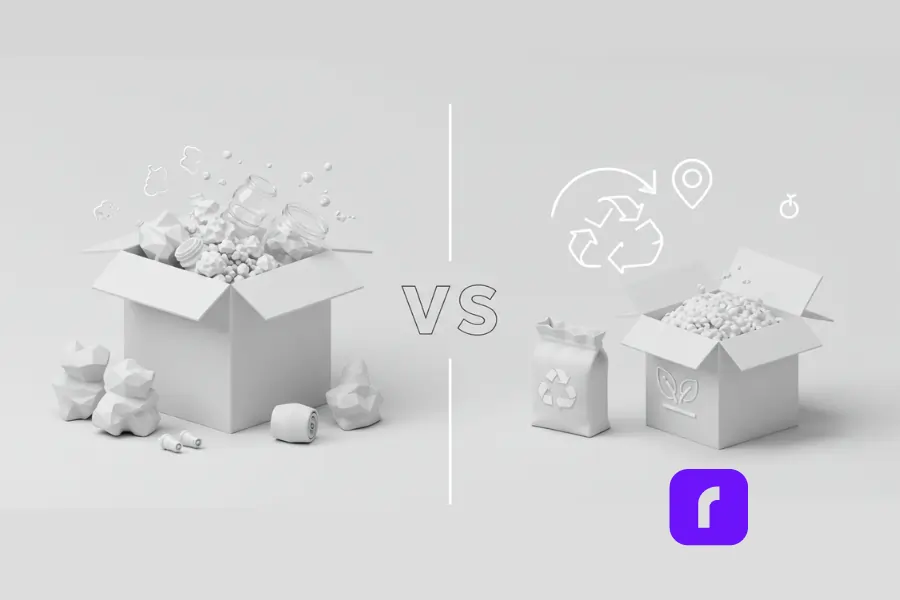
    Side-by-side comparison of wasteful and sustainable packaging, showing an overfilled box with plastic on the left and a neat box with eco-friendly materials on the right, highlighting the benefits of sustainable packaging.

    Definition of Sustainable Packaging

    Sustainable packaging uses methods and materials that protect the environment but still keep products safe during shipping. Often, this means recycling paper, using compostable mailers, or choosing plastics made from plants. When you switch out wasteful supplies for greener ones, customers notice your effort. They appreciate that youโ€™re trying to do the right thing.

    The Growing Demand for Eco-Friendly Packaging

    Many shoppers today search for details on how brands handle packaging before buying anything. They donโ€™t want huge boxes stuffed with plastic for a tiny product. That feels careless and bad for our planet. Instead, they like neat, right-sized boxes made from recycled paper. They may even pay more for items that come in eco-friendly packages. For you, this can also mean saving money. Lighter boxes reduce shipping costs. Plus, materials like compostable mailers can often cost less in bulk. Thatโ€™s a win for both the earth and your wallet.

    How Sustainable Packaging Builds Brand Trust

    Person opening a neatly packed box with eco-friendly materials in a minimalist workspace, representing how sustainable packaging builds brand trust.

    The Impact of First Impressions

    Trust can take a long time to build, but a few key things can speed it up. Packaging is one of those things. When customers open your product, they decide if your brand is worth their time. If your package looks neat, kind to the planet, and fits your style, theyโ€™ll likely think highly of you right away. It shows you care about every detail, from your website to what happens after they hit โ€œbuy.โ€

    Authenticity vs. Greenwashing

    Shoppers are on the lookout for brands that talk about being โ€œgreenโ€ but donโ€™t act like it. Picture a seller who claims their skincare line is natural but then ships each bottle in piles of plastic. Thatโ€™s a red flag. It sends mixed signals. If you truly believe in sustainability, show it by using compostable mailers or clearly marked recycled boxes. Customers feel the difference. Plus, when your package looks eco-friendly, people may share it on social media. This can boost your reputation and bring in even more buyers.

    Sustainable Packaging Benefits

    Two customers engaging with eco-friendly packaging, holding a thank-you card and sharing a positive unboxing experience, symbolizing the brand loyalty and word-of-mouth benefits of sustainable packaging.

    Loyalty and Repeat Purchases

    Some folks think choosing greener supplies only helps the planet, but it can do much more for your business. One big advantage is loyalty. When people see you putting the earth first, they trust your brand more. They might tell friends about you, leave good reviews, or even forgive little errors in shipping times because they like what you stand for.

    Differentiation in a Competitive Market

    Itโ€™s tough to stand out in todayโ€™s busy marketplace. Still, a well-designed, eco-friendly package can set you apart. Simple changesโ€”like using biodegradable tape or adding a small card that thanks them for caring about the planetโ€”turn a plain box into a memorable experience. This helps you compete against larger stores with massive budgets. Even if youโ€™re a tiny brand, thoughtful packaging speaks loudly.

    Financial Upside

    Plus, greener options can reduce long-term costs. Lighter boxes mean cheaper shipping. Streamlined designs mean you use fewer materials, leaving extra funds for other parts of your business.

    ๐Ÿ‘‰ Want to take it a step further? Explore how eco-friendly ecommerce order fulfillment works and how it can power up your shipping strategy.

    Governments may also start fining companies that rely too much on single-use plastics. By getting ahead now, you avoid those future headaches while building a brand that shoppers respect.

    Packaging Mistakes That Hurt Trust
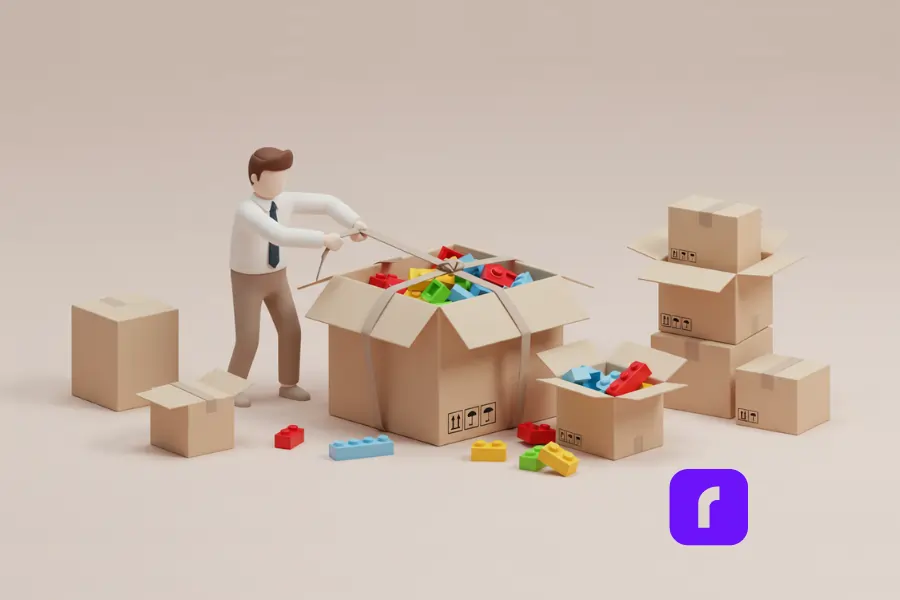
    Business owner struggling to tie an overstuffed cardboard box filled with colorful LEGO pieces, surrounded by other burst boxes, illustrating the packaging mistakes that hurt customer trust.

    Over-Packaging

    One major error is stuffing your product in an oversized box with tons of filler. Not only is this wasteful, but it also makes customers wonder if you planned things well. Fixing this is often easy: choose packaging that fits your item. This step saves on materials and shipping costs, and it shows you value both your product and the customerโ€™s time.

    Confusing or Harmful Materials

    Another common mistake is using packaging thatโ€™s difficultโ€”or even impossibleโ€”to recycle. Traditional plastic bubble mailers might be cheap, but most end up in landfills, contributing to unnecessary waste. Instead, choose packaging thatโ€™s clearly marked as recyclable or compostable.

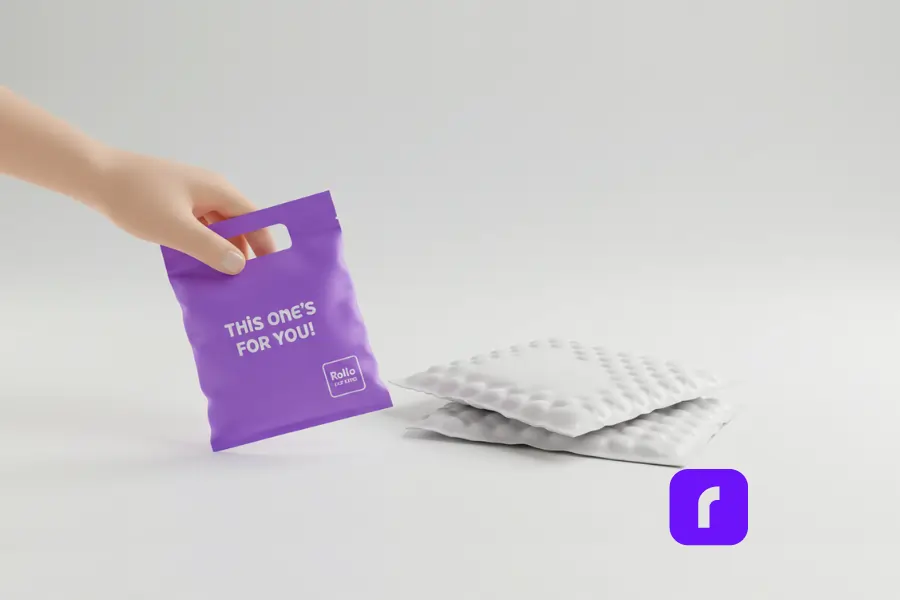
    For example, Rolloโ€™s bubble mailers and polymailers are made from recycled materials and designed with sustainability in mind. Not only do they look great, but they also reduce your environmental impact. Buyers can feel confident tossing them in the recycling bin, and that simple, thoughtful choice goes a long way in building trust with your customers.

    Missed Branding Opportunities

    Many brands forget to mention that their packaging is eco-friendly. If youโ€™re using recycled boxes, say so! A short note like โ€œPacked with care using earth-friendly materialsโ€ can go a long way. It also sparks conversations when the buyerโ€™s friends and family ask about that unique box. Donโ€™t let these chances slip by. A little bit of text can leave a big impression.

    Sustainable Packaging Materials Customers Love
    Recycled Paper and Cardboard

    When we talk about sustainable packaging, recycled paper and cardboard are often the top choices. Theyโ€™re simple to understand, easy to reuse, and come from responsibly managed forests if you check for certifications like FSC. Customers like knowing the paper in their package has been used before and can be used again.

    Biodegradable Fillers

    Cornstarch peanuts and shredded paper are great substitutes for foam packing peanuts. They serve the same purposeโ€”protecting items during shippingโ€”but break down much faster. These fillers also look more natural, adding a warm, down-to-earth feel to your unboxing experience. People who see these materials often feel like theyโ€™re part of a better way to do business.

    Eco-Friendly Labels and Printers

    Donโ€™t forget your labels. If youโ€™re printing shipping information yourself, you might try a thermal printer that uses no ink. Look for FSC-certified thermal paper. It cuts back on waste and typically saves money in the long run. Some brands even use algae-based inks, which are easier on the environment than many commercial inks. Customers appreciate small details like these, and they can become loyal to brands that show a consistent focus on green choices.

    How Amazon Builds Trust with It
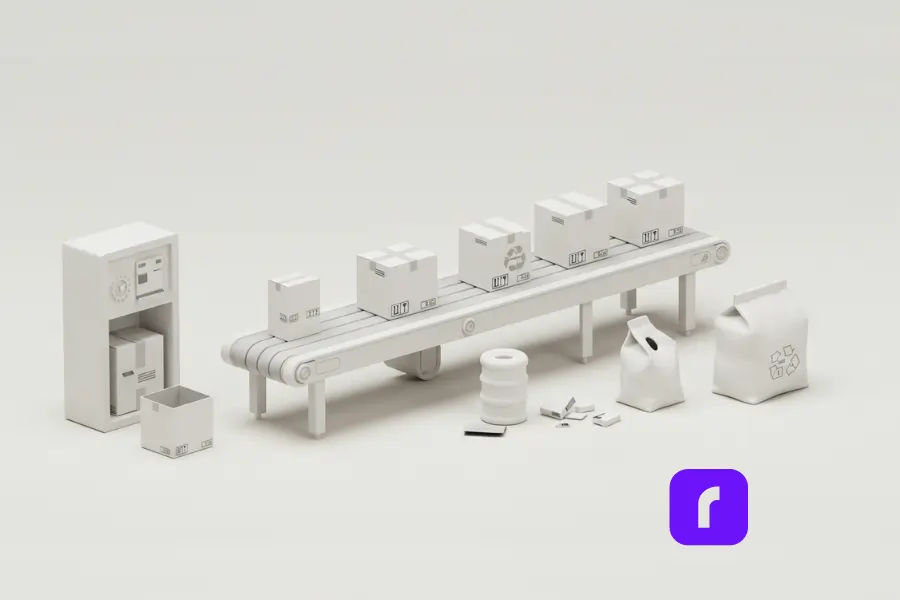
    Minimalist conveyor belt system with right-sized boxes moving through an eco-friendly packaging process, surrounded by recyclable materials, illustrating sustainable shipping practices inspired by Amazon.

    Key Wins from Amazon

    When talking about eco-friendly shipping, Amazon is hard to ignore. Despite being huge, theyโ€™ve lowered their average packaging weight by 43% in areas like the U.S. and Europe since 2015. Theyโ€™ve also avoided more than 80,000 metric tons of plastic by switching to materials that break down more easily. Their โ€œShips in Product Packagingโ€ (SIPP) program sends items in their original manufacturerโ€™s box, cutting down on extra wraps or mailers.

    Lessons for Small Businesses

    Big ideas from Amazon can inspire even small shops. By focusing on right-sized parcels, you can use fewer materials and pay less for shipping. You can also follow their lead in trimming out layers of plastic. And if you let customers know they can recycle everything you send them, that can boost your brandโ€™s good name. Even though you may not have Amazonโ€™s scale, adopting a similar mindset can help you save money and strengthen your eco-friendly brand image.

    Earn Trust with Sustainable Packaging
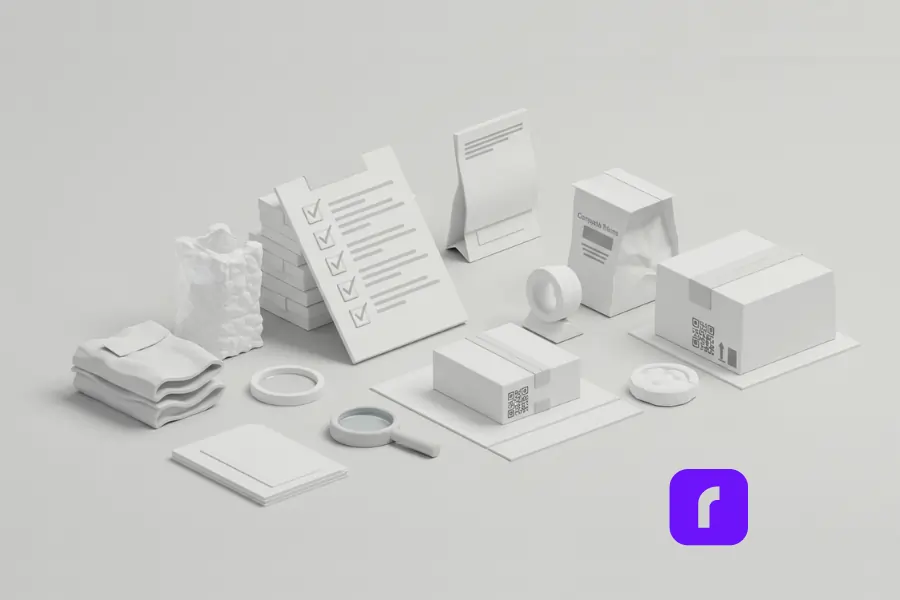
    Minimalist workspace with eco-friendly packaging supplies, a checklist, QR-labeled boxes, and sustainable materials, illustrating how to earn customer trust through sustainable packaging practices.

    Start with an Audit

    Begin by looking at your current packaging. Is there a spot where you can replace plastic with paper? Do you really need all that filler? Each time you make a small shift toward greener choices, you reduce harm to the planet and show you care about your customersโ€™ values.

    Communicate with Customers

    Donโ€™t be shy about telling buyers you made the switch to eco-friendly methods. A short line on the box or a note inside can do wonders. People who shop online are often proud to support brands that act responsibly. Sharing your story on social media also helps build a personal connection.

    Handle Returns Sustainably

    Encourage your buyers to reuse the same mailer or box if they need to send something back. Provide clear directions or a QR code that shows them how. By making returns simple and earth-friendly, you score extra points with shoppers who value both ease and conservation.

    Your Sustainable Packaging Toolkit with Rollo
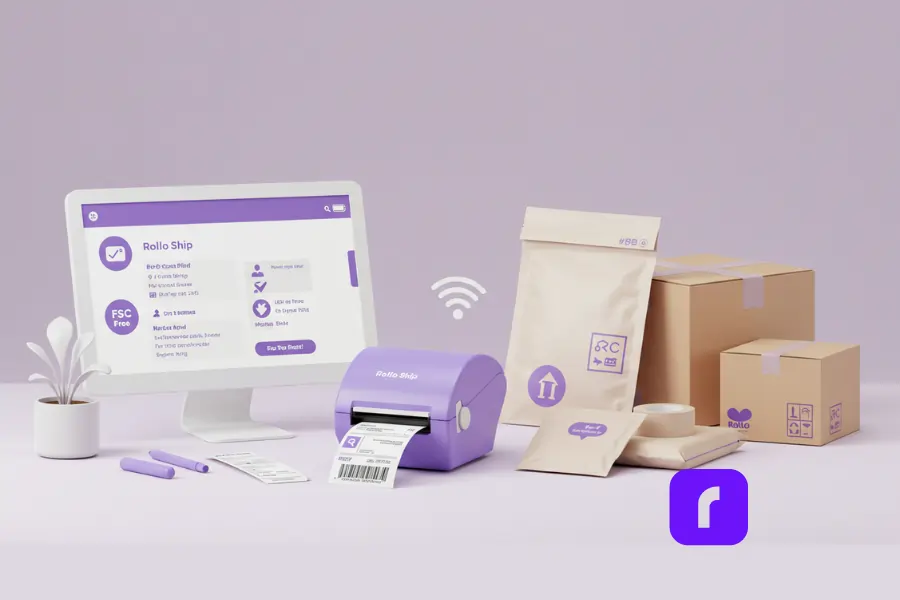
    Minimalist workspace featuring Rolloโ€™s thermal label printer, eco-friendly packaging materials, and a screen displaying the Rollo Ship app, highlighting sustainable shipping tools for small businesses.

    FSC-Certified, BPA-Free Thermal Labels

    Switching to greener shipping can be simpler than you think. At Rollo, we focus on helping small and medium-sized businesses ship faster, smarter, and with less waste. Our FSC-certified, BPA-free thermal labels donโ€™t require ink and can cut down on bulky label sheets. This step alone can reduce waste and costs at the same time. Custom address labels are another smart way to enhance your unboxing experience while keeping things clean, efficient, and on-brand.

    Rollo Ship Integration

    Rollo Ship, our automated fulfillment tool, lets you compare rates from top carriers. You pick the cheapest or most eco-friendly option without extra fuss. Put that together with better packaging, and youโ€™ll be well on your way to lowering your carbon footprint. Customers get their goods in a thoughtful package, and theyโ€™ll remember you for it.

    Fewer Costs, More Efficiency

    Many people assume sustainable methods are complicated, but they can actually make life easier. Thermal printing gets rid of the cost of ink. Using lighter, higher-quality materials can reduce shipping fees. If youโ€™re worried about complexity, remember that step-by-step changes often lead to better results than a complete overhaul. Start small, keep things manageable, and watch how your customers respond.

    Final Words

    Itโ€™s easy to forget about packaging when youโ€™ve got orders to fill, finances to manage, and a website to update. But if thereโ€™s one message here, itโ€™s that choosing sustainable packaging is both a smart business move and a way to show genuine care. Shoppers want to feel good about the brands they buy from. When you make eco-friendly decisions, you show them you share their concerns and youโ€™re taking real steps to limit waste. Thatโ€™s how loyalty forms and grows.

    Seeing how big players like Amazon do it can be helpful, but you donโ€™t need a giant budget to make an impact. Start by upgrading one piece of your packing processโ€”maybe the filler or the mailers. Over time, these changes add up, helping you stand out as a brand that keeps its promises. Trust might begin with a single order, but if the box that arrives shows youโ€™re thinking about your customers and the earth, youโ€™re already on the right path.


    Follow Rollo on:


    Frequently Asked Questions About Sustainable Packaging

    ๐Ÿ“Œ Q: What materials are best for sustainable packaging?

    ๐Ÿ’ญ A: The best solution depends on your packaging needs, but many businesses choose recycled paper packaging, biodegradable fillers like shredded paper or cornstarch peanuts, and compostable packaging made from renewable raw materials. Recycled cardboard boxes and FSC-certified labels also reduce waste and support a circular economy. These eco friendly packaging materials are great alternatives to single use plastics and help minimize environmental impact.


    ๐Ÿ“Œ Q: How does packaging influence customer trust?

    ๐Ÿ’ญ A: Packaging is the first physical impression customers have of your brand. When itโ€™s clean, minimal, recyclable, and clearly uses sustainable packaging options, it shows that your business cares about sustainability and a healthier planet. Green packaging signals to consumers that your brand is aligned with more sustainable practicesโ€”something that builds loyalty fast.


    ๐Ÿ“Œ Q: Can small businesses afford sustainable packaging?

    ๐Ÿ’ญ A:ย Yesโ€”affordable sustainable packaging solutions are more accessible than ever. Recycled materials like paper and cardboard are often lightweight, cutting shipping costs. Many companies now offer eco friendly packaging options in bulk, making it easy to reduce your carbon footprint while keeping production costs manageable. Plus, thermal label printers that use no ink can save money and energy in the long run.


    ๐Ÿ“Œ Q: How can I prove my packaging is eco-friendly?

    ๐Ÿ’ญ A:ย You can print a note inside the box or use packaging labels that say โ€œMade from recycled materialsโ€ or highlight certifications from trusted organizations like the Sustainable Packaging Coalition. Mentioning FSC-certification or compostable packaging stamps helps show customers your commitment to sustainability and lowers doubts about greenwashing.


    ๐Ÿ“Œ Q: Is switching to sustainable packaging complicated?

    ๐Ÿ’ญ A:ย Not at all. Adopting sustainable packaging can be as simple as swapping out plastic packaging for compostable bags or switching to biodegradable padding. Many businesses start smallโ€”like choosing recyclable boxesโ€”and build from there. With the right guidance and suppliers, the transition process becomes part of your overall sustainable practices.


    ๐Ÿ“Œ Q: What are the environmental benefits of sustainable packaging?

    ๐Ÿ’ญ A:ย Sustainable packaging reduces the need for virgin raw materials, keeps plastic out of landfills, and lowers carbon emissions from manufacturing and logistics. By focusing on recyclable or compostable packaging, you’re contributing to a circular economy, minimizing food waste (especially in food-related packaging), and helping create a healthier planet for future generations.


    ๐Ÿ“Œ Q: Are there eco-friendly packaging options for food businesses?

    ๐Ÿ’ญ A:ย Absolutely. Compostable packaging and recyclable paper boxes are great choices for food businesses looking to reduce waste and maintain freshness. Switching away from plastic bottles and polystyrene trays can make a huge difference in your environmental impact while meeting both health and packaging standards.


    ๐Ÿ“Œ Q: What are some innovative sustainable packaging trends?
    ๐Ÿ’ญ A:ย New products and technology are driving innovation. From algae ink and recycled ocean plastic to bio-based films and lightweight materials, packaging manufacturers are exploring greener production methods to meet consumer demand. Brands adopting sustainable practices are also exploring smart packaging that reduces food waste and improves the disposal process.
  • Eco-Friendly Branding in eCommerce Order Fulfillment

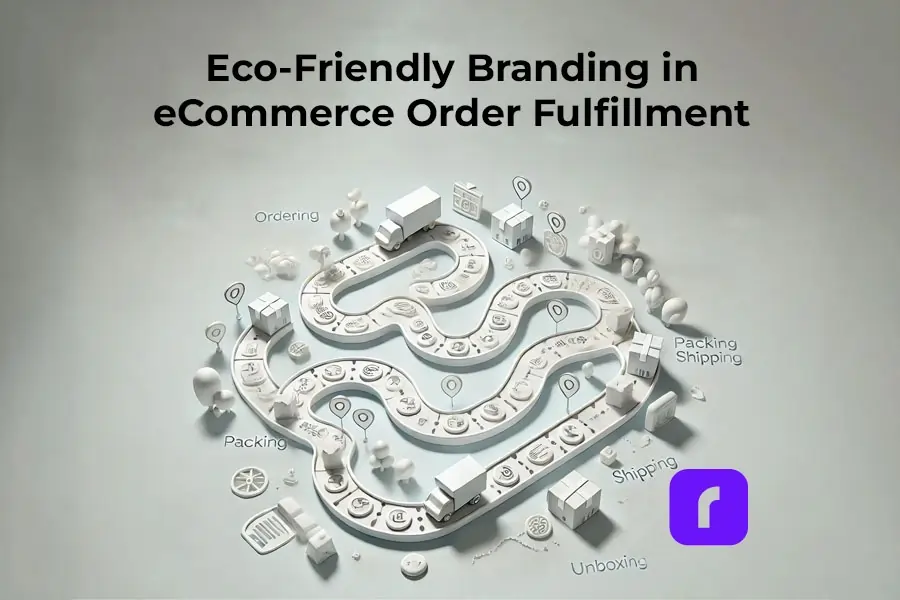
    Eco-Friendly Branding in eCommerce Order Fulfillment

    Let’s face it: running eCommerce order fulfillment for an online business isn’t a walk in the park. Between juggling inventory management, processing orders, and keeping customers happy, it’s easy to feel overwhelmed. But here’s the kicker โ€“ today’s shoppers aren’t just looking for great products. They’re on the hunt for brands that care about the planet too.

    That’s where an eco-friendly order fulfillment process comes in. It’s not just a buzzword; it’s a smart way to boost your brand and keep Mother Nature smiling.

    In this article, we’ll dive into how you can make your fulfillment process greener, smoother, and more cost-effective. We’ll cover everything from sustainable packaging to tech that’ll make your life easier (hello, Rollo printers!). So, grab a coffee, and let’s explore how you can turn every shipment into a brand-boosting, earth-loving masterpiece.

    Understanding The eCommerce Order Fulfillment Process

    Before we jump into the eco-friendly stuff, let’s break down what the ecommerce order fulfillment process actually is.

    In simple terms, it’s everything that happens from the moment a customer clicks “buy” to when they’re unboxing their goodies at home.

    The key parts of order fulfillment are:

    • ๐Ÿ“ฆ Inventory management: Keeping track of what youโ€™ve got in stock.
    • ๐Ÿ“‹ Order processing: Picking, packing, and getting orders ready to ship.
    • ๐Ÿšš Shipping: Getting those packages out the door and to your customers.

    Sounds straightforward, right? But here’s the thing โ€“ how you handle these steps can make or break your eCommerce business. Do it well, and you’ll have customers singing your praises. Mess it up, and… well, let’s just say those one-star reviews aren’t fun for anyone.

    Choosing the Right Order Fulfillment Services: DIY or Outsource?

    Now, you’ve got two main options when it comes to order fulfillment: doing it yourself (in-house fulfillment) or outsourcing to a dedicated fulfillment center. Both have their pros and cons, so let’s break it down.

    In-House Fulfillment: The DIY Approach

    house with packages and delivery truck representing DIY eCommerce order fulfillment.

    Pros:

    • ๐Ÿ“ฆ You’re in control of everything
    • ๐ŸŽจ Can add personal touches easily
    • ๐Ÿš€ Great for an eCommerce business just starting out

    Cons:

    • โฐ Can be time-consuming
    • ๐Ÿ  You’ll need space to store inventory
    • ๐Ÿ”„ Scaling up can be challenging

    Third Party Fulfillment Center: Letting the Pros Handle It

    Pros:

    • โณ Frees up your time for other aspects of your eCommerce business
    • ๐Ÿ’ฐ Can be more cost-effective as you grow
    • ๐Ÿ› ๏ธ Access to advanced technology and expertise

    Cons:

    • ๐Ÿ•น๏ธ Less control over the order fulfillment process
    • ๐Ÿ’ธ Order fulfillment services can be pricey
    • ๐ŸŒฑ Might not align with your brand’s eco-friendly goals

    So, which is better? It really depends on your business. If you’re just starting out and want to keep costs low, in-house fulfillment might be your best bet. But if you’re growing fast and struggling to keep up with orders, partnering with a reliable third party fulfillment center could be a game-changer.

    When choosing a fulfillment center, keep these factors in mind:

    • ๐Ÿ“ˆ Scalability: Can they grow with your business?
    • ๐Ÿ’ฒ Cost: How do their fees stack up against your budget?
    • โฑ๏ธ Reliability: Do they have a track record of getting orders out on time?
    • ๐ŸŒฟ Eco-friendliness: Do they offer sustainable packaging options?

    Remember, your eCommerce fulfillment process doesn’t have to be set in stone. As your business grows, you can always switch things up.

    Tech Talk: How Gadgets Can Make Your Fulfillment Greener

    Now, let’s talk tech. The right tools can make your eCommerce fulfillment process smoother, faster, and โ€“ you guessed it โ€“ more eco-friendly. And no, you don’t need a degree in rocket science to use them.

    One game-changer for small businesses? Wireless label printers like those from Rollo. These nifty devices can print shipping labels on demand, which means:

    • โ™ป๏ธ Less waste: You print exactly what you need, when you need it.
    • ๐Ÿ–จ๏ธ No more ink cartridges: Thermal printing means no more tossing empty cartridges in the trash.
    • ๐Ÿ’ก Energy efficiency: These printers use less power than traditional models.

    Hereโ€™s a quick rundown of how tech can make your fulfillment greener:

    FeatureDescription
    Thermal Label PrinterQuick, efficient label printing without ink or toner
    Rollo Ship AppCentralized platform for weighing packages, comparing rates, and scheduling pickups
    Carrier IntegrationPartnerships with UPS, FedEx, USPS for convenient shipping options
    Package WeighingAccurate weight measurement for precise shipping costs
    Eco-Friendly SolutionsThermal printing reduces waste; sustainable shipping options available
    Automated Order ProcessingStreamlined order management and label creation
    Real-Time TrackingTrack shipments and manage deliveries efficiently
    CustomizationCustom labels for branding and personalized messages
    Pickup SchedulingSchedule carrier pickups directly from the app

    These features not only streamline your order fulfillment process but also support eco-friendly practices, making your eCommerce operations more sustainable and efficient.

    But it’s not just about printers. A good inventory management system can help you avoid overstocking (which often leads to waste) and ensure you’re using materials efficiently.

    Here’s a quick rundown of how tech can make your fulfillment greener:

    • ๐Ÿค– Automated picking systems: These can reduce errors and minimize the need for re-shipping (and all the packaging that comes with it).
    • ๐ŸŒฟ Choosing eco-conscious carriers: Partner with UPS and FedEx, who are reducing their carbon footprints through fleet efficiency and alternative fuel vehicles.
    • ๐Ÿ“ง Digital invoicing: Cut down on paper waste by sending receipts and invoices electronically.

    The best part? Many of these tech solutions are surprisingly affordable for small businesses. It’s not about replacing your whole system overnight โ€“ even small changes can make a big difference.

    Common Challenges in Eco-Friendly eCommerce Order Fulfillment

    Let’s be real โ€“ going green isn’t always a walk in the park. There are some hurdles you’ll need to jump, but don’t worry, we’ve got your back. Here are some common challenges and how to tackle them:

    Challenge 1: Managing Inventory Without Overstock

    Overstock is the arch-nemesis of sustainable business. It ties up your cash, takes up space, and often leads to waste. But how do you keep enough stock without going overboard?

    Solution: Use data to your advantage. Evaluate your sales channels for patterns, consider seasonal trends, and use inventory management software to help you predict what you’ll need. Start small and adjust your fulfillment strategy as you go โ€“ it’s better to occasionally run out of an item than to be stuck with excess stock.

    Challenge 2: Finding Affordable Eco-Friendly Packaging

    Let’s face it โ€“ sustainable packaging often costs more. But before you throw in the towel, consider this:

    Solution: Start small. You don’t need to overhaul everything at once. Begin with simple swaps like paper tape instead of plastic, or use boxes made from recycled materials. As for those Rollo label printers we mentioned? They use thermal printing, which means no ink cartridges to dispose of. Small changes add up!

    Challenge 3: Handling Returns Sustainably

    Returns are a fact of life in ecommerce, but they can be a real headache for eco-conscious businesses.

    Solution: Make your return policy clear to reduce unnecessary returns. When returns do happen, try to salvage and reuse packaging materials where possible. And here’s a pro tip: include clear, easy-to-follow return instructions with each order to minimize mistakes and reduce the chance of items being sent back and forth multiple times.

    Challenge 4: Balancing Speed and Sustainability

    Customers want their orders fast, but the quickest shipping methods aren’t always the most eco-friendly.

    Solution: Be upfront with your customers. Offer a slightly slower, more eco-friendly shipping option at a discount. You might be surprised how many people are willing to wait an extra day or two if it means helping the environment (and saving a few bucks).

    Remember, overcoming these challenges is a journey, not a destination. It’s okay to take it one step at a time. The important thing is that you’re making an effort โ€“ and trust me, your customers will notice and appreciate it.

    Branding Through Fulfillment: Making Every Package Count

    Alright, let’s talk branding. Your packaging isn’t just a way to get products from A to B โ€“ it’s a golden opportunity to make a lasting impression through your order fulfillment process. And when you do it in an eco-friendly way? That’s when the magic happens.

    Custom Labels: Your Secret Weapon

    First things first โ€“ labels. They’re small, but they pack a punch. With a wireless label printer like Rollo’s, you can create custom labels that scream “you” without screaming at the environment. Here’s why they’re awesome:

    • ๐ŸŽจ Personalization: Add your logo, a fun message, or even the customer’s name.
    • ๐Ÿ“ฆ Consistency: Every label looks crisp and professional, boosting your brand image.
    • ๐Ÿ”„ Flexibility: Change designs on the fly for seasonal promotions or special events.

    Packaging That Tells Your Story

    Now, onto the main event โ€“ the packaging itself. This is where you can really let your brand personality shine. Here are some ideas:

    • โ™ป๏ธ Use recycled or biodegradable materials: Think cardboard, paper, or even mushroom-based packaging for cushioning.
    • ๐ŸŽจ Get creative with design: Use earth-toned inks or embossing instead of flashy colors.
    • โœ๏ธ Include a personal touch: A handwritten note or a small freebie made from sustainable materials can go a long way.
    • ๐Ÿ”„ Make it functional: Design your packaging so it can be easily reused or repurposed.

    Remember, the goal is to create an unboxing experience that’s memorable for all the right reasons. You want your customers to feel good about their purchase, not guilty about the waste.

    The Power of Transparency

    Here’s a pro tip: be open about your eco-friendly efforts. Include a small card explaining the sustainable features of your packaging. Or better yet, use that Rollo printer to add a QR code to your shipping label that links to a page about your green initiatives.

    By making your commitment to sustainability clear, you’re not just sending a product โ€“ you’re sending a message. And that message says, “We care about more than just profits. We care about the planet.”

    Scaling a Sustainable eCommerce Order Fulfillment Process

    boxes lined up and packaged using  sustainable eCommerce order fulfillment

    Now, I know what you’re thinking. “This all sounds great, but I’m just a small business. Can I really make a difference?” The answer is a resounding yes! In fact, small businesses are often better positioned to implement eco-friendly practices. You’re more agile, more in touch with your customers, and more able to make quick changes.

    Finding the Right Fulfillment Center Partners

    As you grow, you might need to look for fulfillment partners. The key is to find a fulfillment center that aligns with your values. Here’s what to look for:

    • ๐ŸŒฟ Sustainable practices: Do they use eco-friendly packaging? Energy-efficient warehouses?
    • ๐Ÿ“ Transparency: Are they open about their environmental impact?
    • ๐Ÿ› ๏ธ Flexibility: Can they accommodate your specific eco-friendly requests?

    Don’t be afraid to ask potential partners tough questions about their sustainability practices. A good partner will appreciate your commitment to the environment.

    Keeping It Cost-Effective

    Going green doesn’t have to break the bank. Here are some budget-friendly ideas:

    • ๐Ÿ›’ Bulk buying: Purchase eco-friendly packaging materials in larger quantities to save money.
    • ๐Ÿ“ฆ Minimize packaging: Use right-sized boxes to reduce material use and shipping costs.
    • ๐Ÿ–จ๏ธ Leverage technology: Tools like Rollo printers can help you save on label costs in the long run.
    • ๐ŸŽ Offer incentives: Give customers a small discount for choosing eco-friendly shipping options.

    Remember, sustainability is an investment. It might cost a bit more upfront, but it can lead to loyal customers and a stronger brand in the long run.

    Shipping Smarter: Cutting Costs While Staying Green

    Shipping โ€“ it’s a necessary evil in the world of ecommerce. But here’s the good news: with a bit of clever thinking, you can reduce both your costs and your environmental impact. Let’s dive into some strategies:

    Right-Sizing Your Packages

    Ever received a tiny item in a massive box? It’s not just annoying for the customer โ€“ it’s bad for your bottom line and the environment. Here’s how to avoid it:

    • โœ‰๏ธ Use poly mailers for soft goods: They’re lightweight and take up less space.
    • ๐Ÿ“ฆ Invest in a variety of box sizes: This way, you can choose the best fit for each order.
    • ๐Ÿ› ๏ธ Consider custom boxes: If you have standard-sized products, custom boxes can minimize wasted space.

    Optimizing Your eCommerce Order Fulfillment Process

    A streamlined shipping process, often provided by specialized order fulfillment services, isn’t just more efficient โ€“ it’s more eco-friendly too. Here’s how to make it happen:

    • ๐Ÿ“ฆ Batch your orders: Process and ship orders in batches to reduce the number of pickup trips.
    • ๐Ÿ–ฅ๏ธ Use advanced software: shipping solutions like Rollo Ship can help you compare rates and find the most efficient routes.
    • ๐Ÿ“ Offer local pickup: For nearby customers, this can eliminate shipping altogether.

    The Magic of Accurate Labeling

    This is where those Rollo printers really shine. Accurate, easy-to-read labels mean:

    • ๐Ÿšš Fewer misdeliveries: Less fuel wasted on return trips.
    • โšก Faster processing: Packages spend less time in transit.
    • ๐Ÿ–จ๏ธ No wasted labels: Print exactly what you need, when you need it.

    Making Returns Work for You

    Returns are inevitable, but they don’t have to be a sustainability nightmare. Try these tips:

    • ๐Ÿ“ Provide clear product information: Good descriptions and photos can reduce unnecessary returns.
    • ๐Ÿ“ฆ Use resealable packaging: This makes it easier for customers to use the same package for returns.
    • ๐Ÿ“š Consolidate return shipments: If possible, wait to process returns in batches.

    Remember, every small change adds up. You donโ€™t need to implement everything at once โ€“ start with what makes the most sense for your business and go from there.

    For example, if you’re shipping with UPS, printing accurate UPS labels for shipping can streamline your process, making it easier to manage and track your packages while also supporting eco-friendly practices.

    The world of eco-friendly ecommerce is always evolving. Staying on top of the latest trends isn’t just good for the planet โ€“ it’s good for business too. Let’s take a look at what’s hot in the world of green fulfillment:

    Trend 1: Carbon-Neutral Shipping

    More companies are adopting carbon-neutral shipping by offsetting emissions through projects like reforestation. This helps balance the carbon footprint of shipping.

    How to implement it: Use online calculators to measure emissions and partner with carbon offset providers. Some carriers offer built-in offset options to simplify the process.

    Trend 2: Reusable Packaging Systems

    Innovative companies are moving towards reusable packaging, which can be returned and reused, reducing waste and fostering customer loyalty.

    How to implement it: Start small by offering incentives for returning packaging in good condition. Design durable packaging that can be repurposed, and communicate these benefits to customers.

    Trend 3: Compostable Materials

    The rise of plant-based and compostable packaging materials, like cornstarch and seaweed-based options, provides eco-friendly alternatives to traditional plastics.

    How to implement it: Replace traditional packaging with compostable options like corrugated paper padding or compostable mailers. Educate customers on proper disposal to enhance eco-friendly practices.

    Best Practices for Eco-Friendly Packaging and Shipping

    • ๐Ÿ“š Educate your customers: Use your packaging to explain your eco-friendly choices and how customers can properly recycle or compost materials.
    • ๐Ÿค Partner with like-minded suppliers: Look for suppliers who share your commitment to sustainability.
    • ๐Ÿ”„ Continuously assess and improve: Regularly review your fulfillment process to find new opportunities for sustainability.
    • ๐Ÿ—ฃ๏ธ Be transparent: Share your eco-friendly journey with your customers. They’ll appreciate your honesty and efforts.
    • ๐Ÿท๏ธ Don’t forget the details: Even small things like using water-activated paper tape instead of plastic tape can make a difference.

    Remember, becoming more eco-friendly is a journey, not a destination. It’s okay to start small and gradually implement more sustainable practices as you grow.

    Final Words

    We’ve covered a lot of ground, from the basics of order fulfillment to cutting-edge trends in eco-friendly practices. But here’s the bottom line: sustainable fulfillment isn’t just good for the planet โ€“ it’s good for your business too.

    By implementing eco-friendly practices, you’re not just reducing your environmental impact. You’re also:

    • ๐ŸŒŸ Standing out from the competition: In a sea of brown boxes, your sustainable packaging can make a real impression.
    • ๐Ÿค Building customer loyalty: Today’s consumers care about the environment. Show them you care too, and they’ll stick with you.
    • ๐Ÿ’ต Potentially saving money: While some eco-friendly options might cost more upfront, many can lead to savings in the long run.
    • ๐Ÿ“ˆ Future-proofing your business: As environmental regulations tighten, you’ll be ahead of the curve.

    Remember, you don’t need to overhaul your entire operation overnight. Start small, perhaps with a label thermal printer to reduce label waste, or by swapping out one type of packaging for a more sustainable option. Test, learn, and grow from there.

    The key is to keep your customers in the loop. Let them know about your efforts and invite them to be part of your sustainability journey. You might be surprised at how much they appreciate it.

    So, are you ready to take your first step towards eco-friendly fulfillment? Trust me, your customers (and the planet) will thank you. And who knows? You might just find that going green is the best business decision you’ve ever made.


    Follow Rollo on:


    Frequently Asked Questions About eCommerce Order Fulfillment

    ๐Ÿ“Œ Q: What is eCommerce order fulfillment?

    ๐Ÿ’ญ A:ย eCommerce order fulfillment is the process of receiving, processing, and delivering online orders to customers. It includes inventory management, picking and packing products, shipping, and handling returns.rinting labels.


    ๐Ÿ“Œ Q: How does the eCommerce order fulfillment process work?

    ๐Ÿ’ญ A: The eCommerce order fulfillment process typically involves several steps: receiving and storing inventory, picking and packing products when an order is placed, shipping the order to the customer, and managing returns if necessary.


    ๐Ÿ“Œ Q: What are the key components of an effective eCommerce fulfillment strategy?

    ๐Ÿ’ญ A:ย Key components include efficient inventory management, accurate order processing, reliable shipping solutions, and a strong returns management system. Implementing technology and automation can also streamline these processes.


    ๐Ÿ“Œ Q: How can I choose the right fulfillment service for my eCommerce business?

    Consider factors like cost, scalability, technology, and the company’s track record. Look for a fulfillment service that aligns with your business size, product type, and long-term goals, and offers transparent pricing and reliable service.


    ๐Ÿ“Œ Q: How can home-based resellers optimize their order fulfillment process?

    ๐Ÿ’ญ A:ย Home-based resellers can optimize their order fulfillment process by using Rollo’s thermal label printer and Rollo Ship app, which streamline label printing, package weighing, carrier selection, and scheduling pickupsโ€”all from home.


    ๐Ÿ“Œ Q: How can Rollo’s shipping solutions help home-based resellers choose the best carrier rates?

    ๐Ÿ’ญ A:ย Rollo’s shipping solutions enable resellers to compare rates from top carriers like UPS, FedEx, and USPS directly within the app. This ensures they select the most cost-effective option for each order, optimizing the fulfillment process.
  • Customize Address Labels to Ship Your Packages in Style

    Customize Address Labels to Ship Your Packages in Style

    In a world where millions of packages are shipped daily, the uber-important address label has evolved from a simple identifier to a crucial branding and logistical tool. As e-commerce continues to soar, the impact of these unassuming labels cannot be overstated.

    Just consider the sheer volume – the United States Postal Service processes a staggering 4,877 pieces of mail per second. That’s 292,628 each minute, 17.6 million each hour, which in total is 421.4 million mail pieces each day! And with more businesses than ever relying on direct-to-consumer sales, the address label has become the vital link between your product and your customer’s doorstep.

    [ez-toc]

    ๐Ÿ”’Privacy Alert: Did you know that showing your full home address on your address labels could raise
    privacy and security concerns? Many small business owners, especially soapmakers, opt to display only
    partial addresses to safeguard their privacy.

    But this vital component of the shipping process doesn’t have to be dull. In fact, customizing your address labels can be a powerful way to elevate your brand, streamline your operations, and deliver a memorable unboxing experience. Let’s dive in and explore the world of personalized address labels.

    The Basics of Address Labels

    basics of address labels

    At their core, address labels serve a simple purpose – to clearly identify the recipient and their location. Whether you’re sending a package, a letter, or a postcard, these adhesive slips of paper ensure your mail reaches its intended destination.

    ๐Ÿ†š Labels vs. Stickers: While both labels and stickers can adorn your packages, it's important to know their
    distinct uses. Address labels are designed for identification with their thinner, easier-to-peel materials,
    whereas stickers tend to be thicker and are used for promotion and self-expression.

    Beyond that basic function, address labels also play a crucial role in the broader logistics of the postal system. They help sorting machines and postal workers quickly and accurately route each item, keeping the flow of mail moving efficiently. And for businesses, they can even double as a branding opportunity, with custom designs, logos, and messaging.

    Designing Your Own Address Labels

    computer designing address labels

    Crafting your own custom address labels is easier than you might think. There are a wealth of free online tools and templates that make the design process a breeze. Sites like Canva, Avery, and even your shipping carrier’s website often offer user-friendly interfaces to create labels that reflect your brand.

    ๐ŸŽจ Design Deep Dive: The font and design of your address labels do more than just look good, they
    communicate your brand's personality. Simple yet elegant fonts like Georgia, Garamond, and Open Sans
    are not only easy to read but also add a touch of sophistication to your labels.

    The key is to keep your design clean, legible, and true to your visual identity. After all, these labels will be the first physical touchpoint many of your customers have with your business. Don’t be afraid to experiment with different fonts, colors, and layouts until you land on something that feels just right.

    And don’t forget the practical details – make sure your labels are the appropriate size for your envelopes or packages, and that the text is placed in a way that ensures smooth scanning and sorting by postal equipment.

    Technological Advancements in Address Labeling

    The world of address labels hasn’t stood still, either. As technology has evolved, so too have the capabilities of these humble shipping tools.

    Quick Response (QR) codes, for example, are becoming an increasingly common sight on address labels. These scannable squares can link recipients directly to your website, provide tracking information, or even facilitate easy returns. Radio Frequency Identification (RFID) technology is also making its way into address labels, allowing for more efficient package sorting and delivery.

    These innovations aren’t just bells and whistles – they can have a real impact on the efficiency and customer experience of your shipping operations. By embracing these tech-forward address label solutions, you can streamline your workflows, enhance your brand’s visibility, and delight your customers.

    Comparative Insights: Address Labels vs. Shipping Labels

    While address labels and shipping labels may seem like interchangeable terms, there are some key differences to keep in mind:

    • ๐Ÿท๏ธ Address labels are primarily for identifying the recipient and their location. They typically include just the name and delivery address.
    • ๐Ÿ“ฆ Shipping labels contain a wealth of additional information such as the senderโ€™s address, tracking numbers, barcodes, and even customs details for international shipments.
    • โœ‰๏ธ Purpose distinction: Shipping labels are primarily for the benefit of the carrier, helping in the logistics and delivery process.
    • ๐Ÿค Dual benefit: Address labels serve both the carrier and the recipient, enhancing clarity and communication between the sender and the receiver.
    • ๐ŸŽจ Customization: The design and content of each label type can (and should) be tailored to their distinct purposes to maximize effectiveness and brand alignment.

    When crafting your address labels, focus on making them clear, legible, and visually appealing. Save the technical shipping details for the separate label that gets affixed to the package.

    Sustainability in Label Production

    As eco-consciousness continues to rise, many businesses are looking for ways to make their packaging and shipping more sustainable. And address labels present an opportunity to do just that.

    Many label manufacturers now offer options made from recycled or biodegradable materials, reducing the environmental impact of this essential shipping component. You can also explore label designs that include your company’s return address, encouraging recipients to reuse or recycle the label.

    ๐Ÿ—‘๏ธ Safe Disposal Tips: Protect yourself from identity theft by shredding packing receipts and pre-printed
    address labels before disposal. These items often contain personal information that could be misused if
    not handled properly.
    

    Beyond the labels themselves, there are other ways to green your address labeling process. Investing in efficient, high-quality label printers can cut down on waste from misprints or jams. And exploring digital label solutions, like QR codes, can eliminate the need for physical labels altogether.

    The Rollo address label printer is compatible all your favorite E-commerce platforms and carriers!

    ย 

    Ease your shipping now!

    ย 

    ย 

    Rollo Success Story: Loungefit

    As the owner of Loungefit, a premium laundry brand that emerged during the pandemic, Andre knows a thing or two about the logistical challenges of running a fast-growing ecommerce business. Born in Jamaica, Andre immigrated to the United States in 2007 in pursuit of the American dream, eventually finding his calling as an entrepreneur. “I came up with the idea for Loungefit because it was in the midst of the pandemic and everyone was inside lounging around,” Andre explains. “It was the perfect time to create a loungewear brand that people could actually wear every day.”

    Challenges and Solutions

    The rapid growth of Loungefit soon presented Andre with some logistical hurdles. “Suddenly, we were shipping hundreds of orders a day, and the process was starting to feel completely unmanageable,” he recalls.

    That’s when Andre discovered Rollo’s line of high-speed, wireless label printers. “I found out about Rollo by doing a Google search, and it was the best label printer for my small business,” he says. “The new wireless Rollo printer has made life so much easier. We can print labels on WiFi easily, whether I’m on my desktop or my laptop. I can come over here, print the labels, and slap them on the packaging within seconds.”

    Impact on Business

    The Rollo printer has had a transformative impact on Loungefit’s operations. “It has completely streamlined my business,” Andre affirms. “Everyday, people ask me what printer I use for my small business, and I will always say a Rollo, because it’s the easiest printer to use.”

    Advice from Andre

    When it comes to advice for other entrepreneurs, Andre emphasizes the importance of perseverance. “Having a business is extremely hard and it’s very tiring, but if you keep at it, you keep working, you’ll see success in the long run,” he says. “What drives me every single day is waking up and making my dreams happen. My family came from nothing, and being able to actually break through that generational barrier and create a business is what inspires me.”

    Final Words

    In the fast-paced world of ecommerce, the humble address label has evolved into a powerful tool for businesses to streamline their operations, elevate their brand, and delight their customers. By embracing the latest labeling technologies and design trends, you can transform this essential shipping component into a reflection of your unique identity.

    ๐Ÿ›ก๏ธ Branding and Security Corner: Address labels play a crucial role in both branding and
    security. By carefully selecting the font, design, and the information displayed, you can
    enhance your brand visibility while protecting your privacy. Always consider what personal
    information you include on your labels to ensure you strike the right balance.
    

    So why settle for generic, one-size-fits-all address labels? Customize your packaging, boost your efficiency, and make a lasting impression with every delivery. The future of address labels is in your hands.

    Follow Rollo on:

    Frequently Asked Questions About Mailing Label Printers

    ๐Ÿ“Œ Q: What should I consider when designing custom address labels for my business?

    ๐Ÿ’ญ A: When designing custom address labels, focus on clarity, legibility, and brand alignment. Choose fonts and colors that represent your brandโ€™s personality. Ensure the labels are appropriately sized for your packages and that the text placement allows for easy scanning by postal services.

    ๐Ÿ“Œ Q: What are the differences between address labels and shipping labels?

    ๐Ÿ’ญ A: Address labels primarily focus on the recipientโ€™s name and address, ensuring the mail reaches the correct destination. Shipping labels include additional details like the senderโ€™s address, tracking numbers, and sometimes customs information for international shipments. Each serves different purposes in the logistics process.

    ๐Ÿ“Œ Q: How do I ensure my address labels are printer-friendly?

    ๐Ÿ’ญ A: To ensure your address labels are printer-friendly, use label templates provided by label manufacturers or online design tools that comply with standard printer formats. Test the design on different printers to check for issues with alignment or smearing, and adjust the design accordingly.

    ๐Ÿ“Œ Q: Can custom address labels really help enhance my brand?

    ๐Ÿ’ญ A: Absolutely, custom address labels not only serve a practical purpose but also act as a marketing tool. They are one of the first things your customer sees upon receiving a package, so a well-designed address label can enhance the unboxing experience and reinforce your brand identity.